The short version
- Forestry Corporation of NSW says all State forests are free to camp in, except Cumberland State Forest. Sites cannot be booked, and stays are generally limited to four weeks, with shorter limits on some signs.1
- Camping is permitted in all state forests except Cumberland and Strickland, and is generally not allowed in picnic areas.21
- NSW National Parks says camping is usually restricted to inside a campground. Wild or back country camping is allowed in some parks only.3
- Councils make their own rules. Byron Shire prohibits camping in streets, parks and reserves, and Bellingen Shire allows it only where signs say so.45
- On a Total Fire Ban day you cannot light, maintain or use a fire in the open.6
What free camping means in NSW
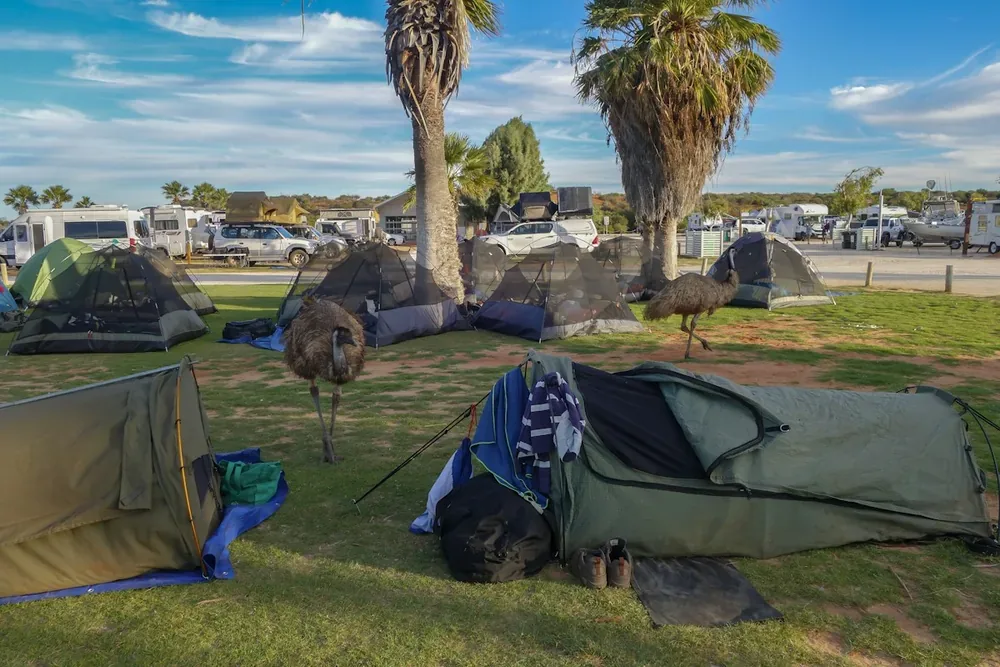
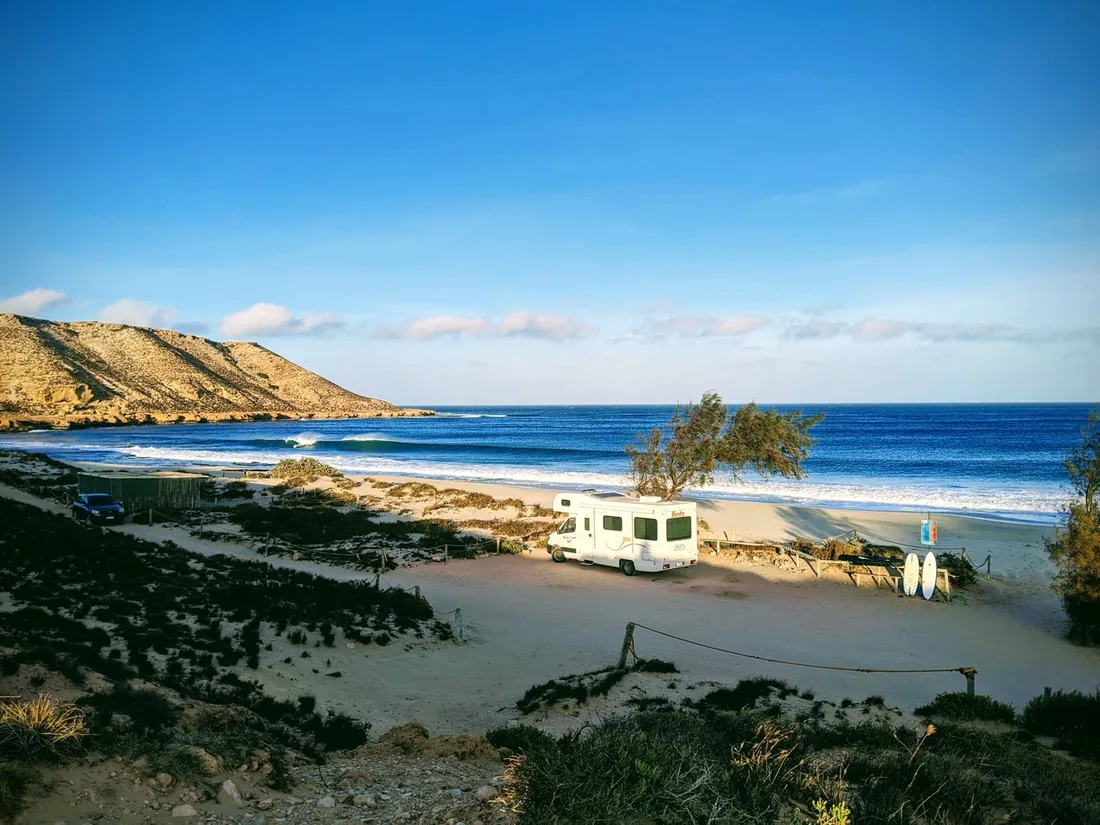
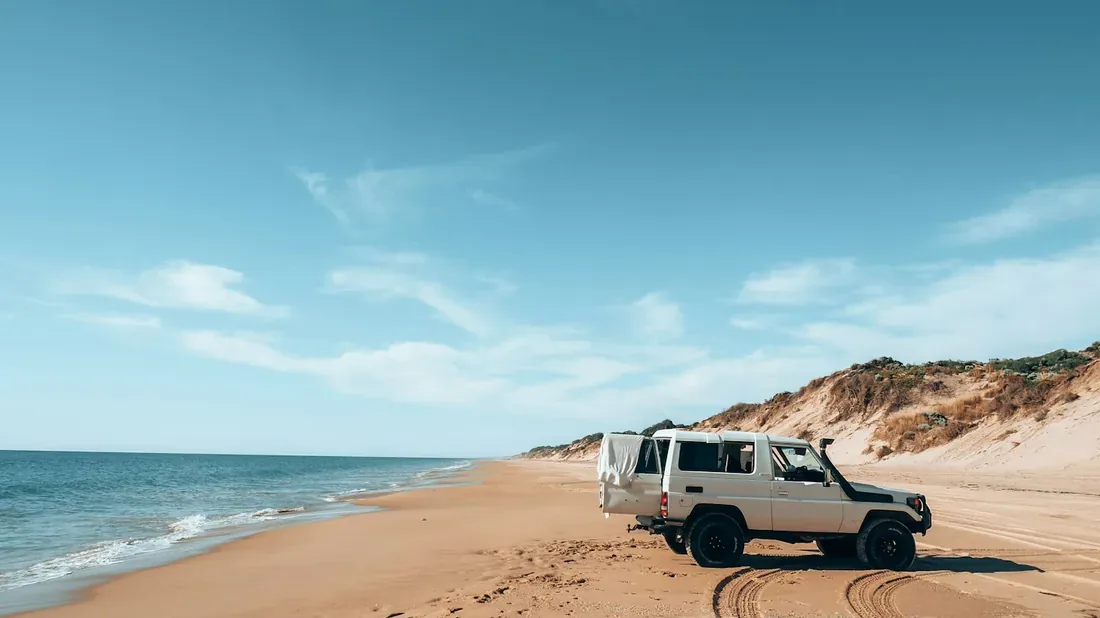
There is no single legal category called free camping in New South Wales. When people search for it, they usually mean one of four things: bush camping in a state forest, a national park campsite, a stop on Crown land, or a night at a rest area or on council land. Each has a different manager and different rules, so the first job is to work out who looks after the land.
- State forests are managed by Forestry Corporation of NSW, and the NSW Government publishes the camping rules for them.12
- National parks and reserves are run by NSW National Parks and Wildlife Service.3
- Crown land is managed with local managers such as councils and committees.7
- Streets, parks and reserves in a town fall under the local council.4
We do not say that any single place is free to camp. Where we write that a land manager charges nothing, that is the manager’s own statement, and we say whose and when we read it. Fees and rules are set by the land manager, and they change. Where our own data records no fee for a place, the place page says so and shows where that came from. Where a source does not say, we say that it does not.
Camping in state forests
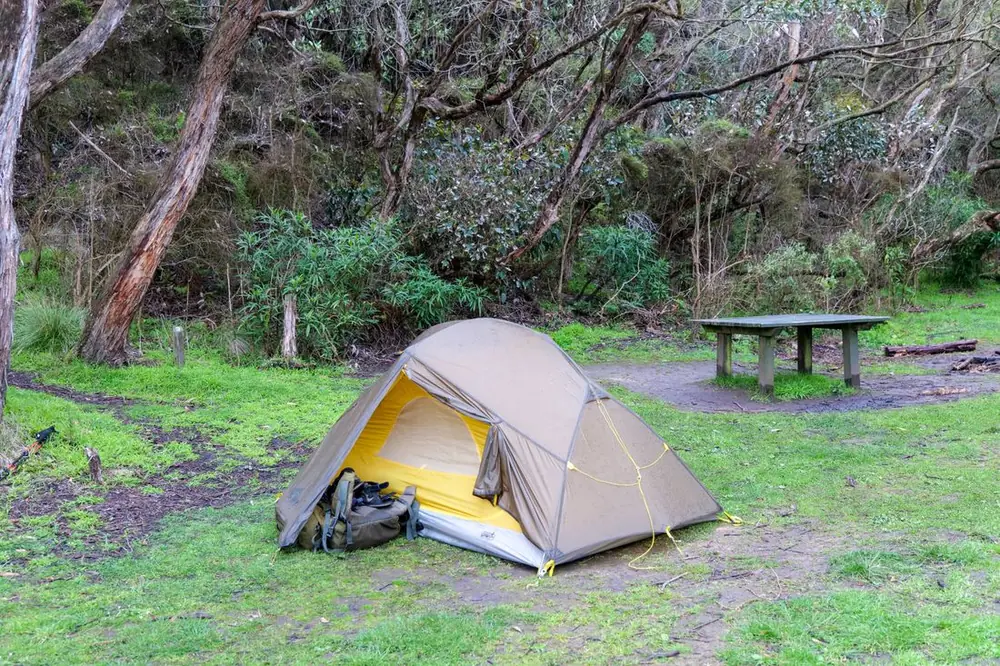
This is the closest thing to open bush camping in NSW. Forestry Corporation of NSW, which manages the state forests, says:1
- All State forests are free to camp in, except Cumberland State Forest.
- Camping sites cannot be pre-booked or reserved.
- Camping is generally limited to a maximum of four weeks. Signs at a site may set a shorter stay, and you should follow directions from authorised officers.
- Camping is permitted in all State forests except Cumberland and Strickland.
- Camping is generally not permitted in picnic areas, except rest areas where major highways pass through State forests.
- Firewood is mostly not provided, so bring your own or use a gas barbecue. Solid Fuel Fire Bans apply in many State forests over summer, when wood, charcoal and other solid fuel fires are not allowed. Check Total Fire Bans, closures and notices before you go.
The NSW Government’s state forests service page gives the same two exceptions, and says to check the Forestry Corporation’s current solid fuel fire ban information and the Rural Fire Service’s Total Fire Ban information before you visit.2 Those rules are general, so read the sign at the forest you are heading to: it can set a shorter stay. Check the current closures and notices too. Camping with a dog? Our dog-friendly camping in NSW guide covers the same forests.
Camping in NSW national parks
- Campgrounds. NSW National Parks says camping and overnight stays are usually restricted to within the boundaries of a campground. Designated areas vary by park, so check the signs when you arrive.3
- Booking. You may need to book ahead for a campground or campsite.3
- Bush camping. Wild or back country camping is permitted in some national parks only. Remote camping does not need a booking, but the page strongly recommends a trip intention form before you arrive.3
- Camping manners. Use a self-supporting tent and do not tie ropes to trees. Use soap and detergent at least 50 metres from waterways. Where there is no toilet, bury waste at least 15 centimetres deep and at least 100 metres from streams, or carry it out.8
Each park also has its own alerts page. Check it for the park you are heading to, as it can change what is allowed.
Crown land
NSW Crown land includes many reserves with camping. The Department of Crown Lands says sites are managed with Crown land managers such as local councils and committees. Its page does not list permit rules, so ask the manager of the reserve you are heading to.7
Camping on a Crown reserve without a permit can be an offence. Wentworth Shire Council, for example, lists camping without a permit as a restricted activity on Crown reserves, with fines of up to 1,000 penalty units for an individual, plus 100 penalty units for each day the offence continues. The council page puts a penalty unit at $110.9
Council land, roadsides and rest areas
Rules for streets, parks and reserves are local. Two councils show how different they can be:
- Byron Shire says camping in streets, parks and reserves is prohibited. The on-the-spot fine is $110, and significant or repeat breaches can go to court with a maximum penalty of $2,200. The council lists approved holiday parks and camping grounds as the alternative.4
- Bellingen Shire allows overnight camping only in areas signposted as designated for it, and names Roses Road Reserve at Thora and Burdett Park at Fernmount. It also says the council does not have authority to move campers on from Crown land sites.5
Rest areas need a careful word. The NSW Government’s rest area page says to plan a stop every two hours to manage fatigue, and that Driver Reviver sites run at peak holiday periods. It does not mention overnight stays or camping either way.10 We did not find an official statewide rule that allows camping at a rest area, and we are not going to guess one. Follow any sign at the site. If there is none and you are unsure, choose a campground.
Campfires, Total Fire Bans and fire danger
- Total Fire Ban. The NSW Rural Fire Service says that during a Total Fire Ban you cannot light, maintain or use a fire in the open. Solid-fuel barbecues cannot be used outside. Gas and electric barbecues are allowed only under set conditions, including direct adult supervision and nothing combustible within 2 metres.6
- Park and forest fire bans. Solid fuel fire bans can apply in State Forests and National Parks outside Total Fire Ban days when visitor fire risk is high.11 Forestry Corporation says they apply in many State forests over summer.1
- In national parks. Only light fires in designated fireplaces. Never leave a fire unattended, put it out fully before you leave or sleep, and do not collect fallen timber.3
- Ratings. Fire Danger Ratings and Total Fire Bans are set each afternoon for the next day. Forecasts are indicative and can change, so check the rating on the day for your fire weather area.11
For the rules in every state and territory, see Total Fire Bans and fire danger ratings across Australia.
How Trek Eleven helps
Trek Eleven is a free camping app for all of Australia. For New South Wales, here is what it does today:
- You can browse the map and lists with no account.
- Campsites and caravan parks from OpenStreetMap appear as unverified suggestions in their own layer. We have not checked them.
- Every fact shows where it came from and when. A place no one has checked says so plainly.
- You set your vehicle once, and access notes are flagged for it.
- Saved and recently viewed places open with no signal. Offline maps are coming soon.
- If something is wrong, closed or washed out, you can report it from the place page.
The app shows official warnings for most states, but they can be late, so use the official sources in the box below too. See the how it works and how we check pages, or browse Sydney and the Blue Mountains, the Hunter and Central Coast, the North Coast, New England and the North West, the Central West, the South Coast and Snowy Mountains, the Riverina and Murray and the Far West. Near the big places? See camping near Sydney and camping near Byron Bay. Heading over the border? Read our guides to free camping in Victoria, free camping in Queensland, free camping in South Australia, free camping in Tasmania and free camping in Western Australia, or see free camping across Australia for every state. Travelling with a dog? See dog-friendly camping in NSW.
How to check a place before you stay
- Work out who manages the land: a state forest, a national park, Crown land, a council or a road authority.
- Read that manager’s page and the sign at the entrance. A “no camping” sign settles it.
- Check the Fire Danger Rating, Total Fire Ban and any park alerts or closures for the day.
- If you still cannot tell, ask the council or park office, or choose a place you are sure about.
Find places near you
Our region and Camping near pages list the campsites, caravan parks and rest areas on record in New South Wales, from open data. Each place says whether Trek Eleven has checked it, and unchecked places are only suggestions. They do not say that camping is allowed, free or open, so read the sources above first.
Towns in New South Wales
A selection of the towns in New South Wales that have a Camping near page. Each lists the campsites, caravan parks and rest areas on record around the town, from open data. The region pages above list the other 31.
Central West
Far West and Outback NSW
Hunter and Central Coast
New England and North West
Northern Rivers and Coffs Coast
Riverina and Murray
South Coast, Snowy Mountains and Canberra
Sydney, Blue Mountains and Illawarra
Sources
Every rule, fee and date above comes from one of these official pages, written up in our own words. We read each page on 29 October 2026; each source shows its own date. Rules change, so open the page itself before you rely on it.
- Camping and picnics in State forestsForestry Corporation of NSW. Checked . We did not record a date shown on the page.
- State forests in NSW (camping)NSW Government (service.nsw.gov.au). Checked . The page says it was last updated 11 August 2025.
- Camping safety and rulesNSW National Parks and Wildlife Service. Checked . The page shows no date of its own.
- Unauthorised campingByron Shire Council. Checked . The page shows no date of its own.
- Illegal campingBellingen Shire Council. Checked . The page shows no date of its own.
- Total Fire Ban rulesNSW Rural Fire Service. Checked . The page shows no date of its own.
- Recreational use of Crown landNSW Department of Crown Lands. Checked . The page says it was updated 18 May 2026.
- Considerate campingNSW National Parks and Wildlife Service. Checked . The page shows no date of its own.
- Protecting our public lands (Crown reserves)Wentworth Shire Council. Checked . The page shows no date of its own.
- Rest areas and Driver ReviverNSW Government. Checked . The page shows no date of its own.
- Fire Danger Ratings and Total Fire BansNSW Rural Fire Service. Checked . The page shows no date of its own; its ratings were marked as checked on 29 October 2026.
This guide is general information, not legal advice. Trek Eleven has not visited the places it mentions and does not say that any of them is open, safe or allowed.
Check before you go
Rules, fees, closures and fire bans change, and agencies can update their pages at any time. This guide is general information, not legal advice. Before you stay anywhere, read the sign on site and the land manager’s own page, and check fire bans and closures for where you are going.
- NSW National Parks: campingRules and park alerts
- Forestry Corporation of NSW: camping and picnics in State forestsState forest rules, closures and fire bans
- NSW Rural Fire Service: Fire Danger Ratings and Total Fire BansRatings and bans by fire weather area
- Fires Near MeCurrent incidents
- NSW Government: rest areas and Driver ReviverRest area map and Driver Reviver
- Live Traffic NSWRoad closures and roadworks
- NSW National Parks alertsNational park closures and alerts
- Forestry Corporation noticesState forest notices and closures
- Bureau of Meteorology warningsStorms, floods and fire weather